
Why Does Hand Dyed Sock Yarn Cost So Much More


So you've fallen down the rabbit hole. You picked up a skein of hand dyed sock yarn at a market or scrolled past one on Instagram at 11pm, and now you're wondering why it's twice the price of the stuff at the big craft chain. Fair question. I get asked it constantly, and honestly, most people asking aren't trying to be difficult — they just don't know what goes into a skein before it ever reaches their needles. Let's actually talk about it, properly, not the sanitised version you get on a dyer's About page.
What Makes Hand Dyed Sock Yarn Different Anyway
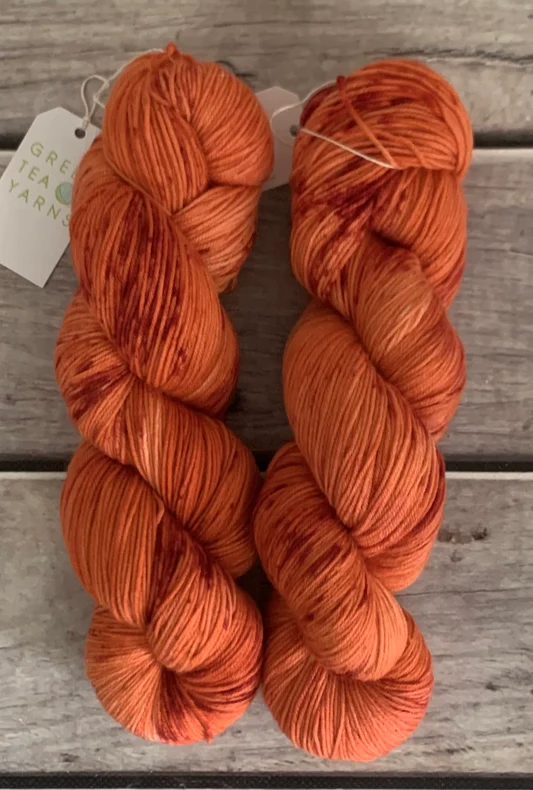
Mill-dyed yarn goes through a machine. Big vats, consistent dye lots, thousands of metres at a time, same colour every single time. Boring, but reliable. Hand dyed sock yarn is the opposite of that. Someone — an actual human, standing at a stove or a dye station in their garage or spare room — is mixing colour by eye, applying it by hand, and no two skeins come out identical. That's not a flaw, that's the whole point. People buy hand dyed yarn because they want the one-of-one. They want a sock that nobody else on their street is wearing. It's a bit like buying a print from an artist instead of a poster from a big box store; you're paying for the hand in it, not just the fibre.
Why Indie Dyers Charge What They Charge
Here's where people get a bit sniffy, not gonna lie. "$32 for a skein of sock yarn?" Yeah. And here's why. Base yarn isn't cheap to begin with, especially superwash merino nylon blends that actually hold up to a foot pounding pavement all day. Then you've got dye, citric acid, gloves, steamers or pots, drying racks, labels, packaging, postage. And time — actual hours, not minutes, per skein. Most indie dyed yarn Australia makers are running this out of their own home, doing it after their day job or around school pickup. There's no factory line cutting corners for them. When you buy from someone small, you're paying closer to what the work is actually worth, not what a supply chain squeezed it down to.
The Real Cost Breakdown Behind Every Skein
Let's get specific because vague claims annoy me too. A single skein of hand dyed sock yarn, roughly 100 grams and 400-ish metres, might cost the dyer $9-14 just in undyed base yarn depending on fibre content and where it's sourced. Add dye and chemicals, maybe another dollar or two. Then labour — soaking, applying colour, setting it (usually steaming or a slow cook), rinsing multiple times, drying for a day or more, twisting, labelling. If you paid that person even a modest hourly wage for the whole process, you're already well past $20 before postage or platform fees eat into it. People forget Etsy, Instagram checkout, and local market stall fees all take a cut too. It adds up quick, and there's very little fat to trim.
How Indie Dyed Yarn Australia Businesses Actually Work
Most of these are one-person or two-person operations. Not a warehouse. Not a team. Someone dyeing in small batches, usually 5-20 skeins of a colourway at once, because that's what fits in their pot or their steamer. Some run pre-orders because they simply can't hold huge amounts of stock — the cash flow doesn't allow it. Others do "dyed to order," which means you wait a bit longer but you get something made specifically after you hit buy. Australian dyers also deal with our climate and our postage costs, which honestly nobody talks about enough. Shipping a parcel from regional Victoria to somewhere in WA isn't nothing. All that gets baked into the price whether we like it or not.
Fibre Choices That Change Everything
Not all sock yarn bases are equal, and this matters more than colour, if we're honest. Standard is usually 75% superwash merino, 25% nylon — the nylon's there for durability, since pure wool socks wear through at the heel embarrassingly fast. Some dyers offer higher merino content for softness, others blend in a bit of silk for shine, or use a bit of stellina for sparkle (fun for kids' socks or just because). Then there's the non-superwash camp — people who prefer untreated wool for environmental reasons, even though it felts more easily. Each base takes dye differently too. Merino tends to be forgiving. Silk blends can go patchy if you're not careful. This is part of why hand dyed sock yarn behaves so differently skein to skein even within one dyer's range.
Colourways: The Part Everyone Obsesses Over
This is the fun bit, and also the bit that keeps dyers up at night second-guessing themselves. A "colourway" is basically a recipe — specific dyes, specific technique, applied in a repeatable-ish way so buyers can recognise it. Some dyers lean toward moody tonal shades, others go full rainbow speckle, and some do variegated colours designed to pool or stripe when knitted. Speckled yarns are massively popular right now, though plenty of knitters actually hate how speckles knit up in socks because they can look a bit chaotic on the foot. It really is personal taste. A good dyer will tell you honestly which colourways stripe nicely and which ones are better suited to shawls or something with less stitch definition than a sock.
Caring For Hand Dyed Sock Yarn So It Lasts
You've spent good money, so don't ruin it in the wash. Even superwash yarn isn't bulletproof — hot water and rough handling will still felt it eventually, or fade the colour faster than it should. Hand washing in cool water with a gentle wool wash is the safest bet, laid flat to dry, out of direct sun (sun fades hand dyed colour surprisingly fast, more than people expect). If you do machine wash, use a wool cycle, cold, and skip the dryer entirely. Also — and this trips people up — dark or saturated colourways can bleed a little in the first wash or two. Not always a fault, just how some dyes settle. A quick vinegar rinse before wearing can help set stubborn colours if you're worried.

Buying Hand Dyed Sock Yarn Online vs In Person
Online, you get variety. Hundreds of dyers, endless colourways, easy to compare and order at 2am in your pyjamas, no judgement. But you're buying on faith a bit — screen colours never match real life perfectly, monitors lie. In person, at a market or a yarn shop stocking local makers, you see the actual skein, feel the actual fibre, and usually get to have an actual conversation with the dyer, which honestly is half the charm of indie dyed yarn Australia has to offer. If you can, buy local when there's a market near you. It cuts down shipping time and cost, and you're supporting someone in your own community rather than sending money interstate or overseas.
Is Hand Dyed Sock Yarn Worth The Extra Money
Depends what you're after, honestly, I won't pretend there's one answer. If you just want socks and don't care about the story behind them, mill yarn's fine, cheaper, does the job. But if you want something unique, want to support a small maker instead of a mega factory, and enjoy the little bit of unpredictability that comes with hand dyed colour, then yeah, it's worth it. You're not just buying yarn. You're buying someone's time, their eye for colour, and a bit of the craft that's slowly disappearing in a world of mass production. For a lot of knitters that's exactly the point.
Supporting Small Indie Dyers In Australia
If you've read this far you clearly care, so here's the plain ask: buy from small dyers when you can. Follow their restocks, join their mailing lists, don't just window shop and disappear. Leave reviews, tag them in your finished socks, tell your knitting group about them. Small indie dyed yarn Australia businesses live and die on word of mouth more than any algorithm. It costs you nothing but a bit of time, and it keeps this whole slightly chaotic, colourful little industry alive for the next person falling down the same rabbit hole you did.
Conclusion
Hand dyed sock yarn isn't just yarn with a fancier price tag slapped on it. It's base fibre, dye, hours of hand labour, postage headaches, and a real person's creative choices all wound up into one skein. Once you understand what actually goes into it, the price makes a lot more sense, and honestly, a lot of knitters find it hard to go back to mill yarn after that first proper hand dyed skein hits their hands. Whether you shop online or find a local indie dyed yarn Australia maker at a market stall, you're getting something with a story attached. That's worth something, even if it's hard to put an exact number on it.
FAQs
Is hand dyed sock yarn better than regular sock yarn?
Not "better" exactly, just different. Hand dyed yarn offers unique colourways and one-of-a-kind results, while mill-dyed yarn gives you consistency and usually a lower price.
Why is indie dyed yarn Australia so expensive compared to overseas yarn?
Local postage, small batch sizes, and the cost of Australian-sourced or imported base yarn all push the price up. You're also paying for a smaller, more personal business model.
Does hand dyed sock yarn bleed or fade?
Some colourways can bleed slightly in the first wash, especially darker or highly saturated shades. A cool hand wash and keeping it out of direct sun helps colour last longer.
Can I machine wash hand dyed sock yarn?
Superwash bases usually handle a cold, gentle wool cycle fine, but hand washing is always the safer option to protect colour and fibre.
What fibre blend is best for hand dyed sock yarn?
Most sock yarn uses a merino and nylon blend for durability. Higher merino content feels softer but wears faster; nylon adds strength at the heel and toe.


Comments