
Why Does My Sourdough Need A Dough Rising Basket

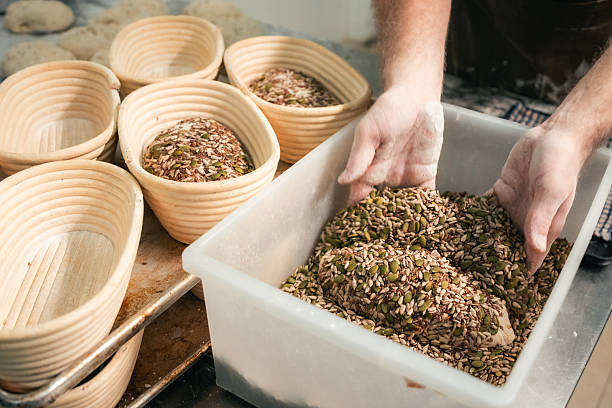
I get asked this a lot, usually by someone who just watched a sourdough video at 11pm and now owns three bags of flour they don't know what to do with. "Do I really need a dough rising basket, or is that just another kitchen gadget nobody actually needs?" Fair question. I asked it myself a few years back. Short answer, yes, you need one, and I'll walk you through why, because once you understand what it's actually doing for your bread, you won't want to bake without it again.
What A Dough Rising Basket Actually Does
A dough rising basket, sometimes called a banneton or a proofing basket, isn't just a bowl with a fancy name. It's built to hold your shaped loaf during the final rise, called proofing, while pulling just enough moisture off the surface of the dough to give it structure. That structure matters more than people realize. Without it your dough spreads out flat like a sad pancake instead of holding its shape when it hits the oven. The ridges inside the basket, usually made from coiled rattan or lined with linen, also leave that pretty spiral pattern you see on artisan loaves at bakeries. Not just for looks either, though I won't lie, it does look good on Instagram.
Sourdough Sticks To Everything, This Fixes That
If you've baked sourdough even once without proper support, you know the horror of watching your dough ooze into a puddle on a regular bowl or a towel-lined colander improvised at midnight. Sticky, wet, high-hydration dough is basically sourdough's whole personality, and it will glue itself to anything smooth. A proper rising basket, dusted with rice flour or a flour blend, gives the dough somewhere to sit without turning into a permanent bond. Rice flour works better than regular flour here, by the way, because it doesn't absorb into the dough as fast, so your loaf actually releases clean when it's time to bake.
Round Or Oval, Which Rising Basket Should You Pick
This trips people up more than it should. Round baskets, called boules, work well for beginners and for smaller kitchens since they're easier to store. Oval baskets, called batards, give you a longer loaf shape, which some folks prefer for sandwich bread or for getting more even slices. Honestly, there's no wrong answer here, it comes down to what shape bread you actually want to eat. I started with round because it was cheaper, then added an oval one once I got serious. Both still get used depending on my mood, if I'm being honest.

Rattan Versus Lined Baskets, The Real Difference
You'll see two main types when shopping, unlined rattan and cloth-lined versions. Unlined rattan gives you those classic spiral lines and dries out fast between uses, which cuts down on mold risk if you live somewhere humid. Cloth-lined baskets are a little more forgiving for beginners because the fabric holds the flour better and the dough is less likely to stick even if you're stingy with your dusting. I personally lean rattan now, but when I was starting out with a sourdough starter kit and had zero feel for hydration levels, the lined version saved me a few loaves.
Pairing Your Basket With A Sourdough Starter Kit
Here's the thing nobody tells you upfront, a rising basket doesn't do much good if your starter isn't active and your dough hydration is off. This is where a decent sourdough starter kit earns its keep. Most kits come with dried starter culture, a feeding schedule, sometimes a scraper and a thermometer, everything you need to actually get bubbling, active dough before it ever touches your basket. I always tell new bakers, don't buy the basket and skip the starter kit thinking you'll figure out fermentation later. You won't, or you'll figure it out the hard way after a dozen dense, gummy loaves. Get both pieces sorted at the same time and your learning curve gets a whole lot shorter.
Sizing Your Basket To Your Recipe
People underestimate this constantly. A basket that's too small and your dough overflows during the rise, too big and your loaf spreads instead of rising up tall. Most home recipes use somewhere between 500 grams and 1000 grams of dough, so an 8 to 10 inch basket usually covers it. If you're working from a sourdough starter kit recipe card, check the flour weight listed and size your basket accordingly, don't just grab whatever's cheapest on the shelf. I made that mistake early on, bought a basket way too big, and wondered for weeks why my loaves came out flat and wide instead of that nice tall oven spring everyone talks about.
Caring For Your Rising Basket So It Lasts
These things last years if you treat them right, which isn't hard honestly. After each use, dump out excess flour, let it air dry completely before storing, and avoid washing it with soap and water unless it's actually gotten dirty, which shouldn't happen often if you're dusting properly. Rattan baskets especially hate sitting damp, that's how mold sneaks in. I keep mine upside down on a drying rack for a few hours after every bake. Takes two seconds, saves you from replacing a basket every few months.

Common Mistakes New Bakers Make With Their Basket
Under-flouring is probably the biggest one, people get nervous about using too much flour and then their dough sticks anyway, ruining the shape when they try to flip it out. Over-proofing is another, leaving the dough in the basket too long so it loses structure and deflates the second it's tipped onto the baking surface. And skipping the fridge, a lot of experienced bakers do a cold retard overnight in the basket, it develops flavor and makes the dough easier to score. If you're new, don't skip that step, it genuinely changes the bread.
Is A Dough Rising Basket Worth The Money
Look, you can proof bread in a regular bowl lined with a towel, people did it for decades before bannetons went mainstream online. But if you're serious about sourdough, and I mean actually baking regularly and not just once for a photo, the basket pays for itself fast. Better shape, easier release, that classic bakery look, and honestly it just makes the whole process feel less chaotic. Combined with a proper sourdough starter kit to get your fermentation dialed in, you're setting yourself up to actually succeed instead of guessing your way through every bake.
Conclusion
A dough rising basket isn't some optional extra for people trying to look fancy online, it's genuinely functional gear that solves real problems, sticking, shape loss, uneven proofing, all of it. Pair it with a good sourdough starter kit and you've got the two pieces of equipment that matter most when you're starting out. I wish someone had just told me this straight instead of letting me ruin flour for a month figuring it out myself. Get the basket, get the starter, and go bake something.
FAQs
Do I really need a dough rising basket for sourdough?
Yes, if you want consistent shape and an easier release from the pan. You can technically skip it, but your results will be far less predictable, especially with wetter doughs.
What size dough rising basket should a beginner buy?
Start with an 8 to 10 inch round basket for standard 500 to 900 gram loaves, it's the most forgiving size for learning.
Can I use a dough rising basket without a sourdough starter kit?
You can, but a sourdough starter kit makes it much easier to get a reliable, active starter going, which directly affects how well your dough holds shape in the basket.
How do I stop my dough from sticking to the rising basket?
Dust generously with rice flour or a rice flour blend before placing your shaped dough inside, and let the basket fully dry between uses.
Is rattan or cloth-lined better for a dough rising basket?
Cloth-lined is a bit more forgiving for beginners, rattan gives you the classic spiral pattern and dries faster, reducing mold risk over time.


Comments