
Where Can You Find Genuine Hand Dyed Yarn In Australia?

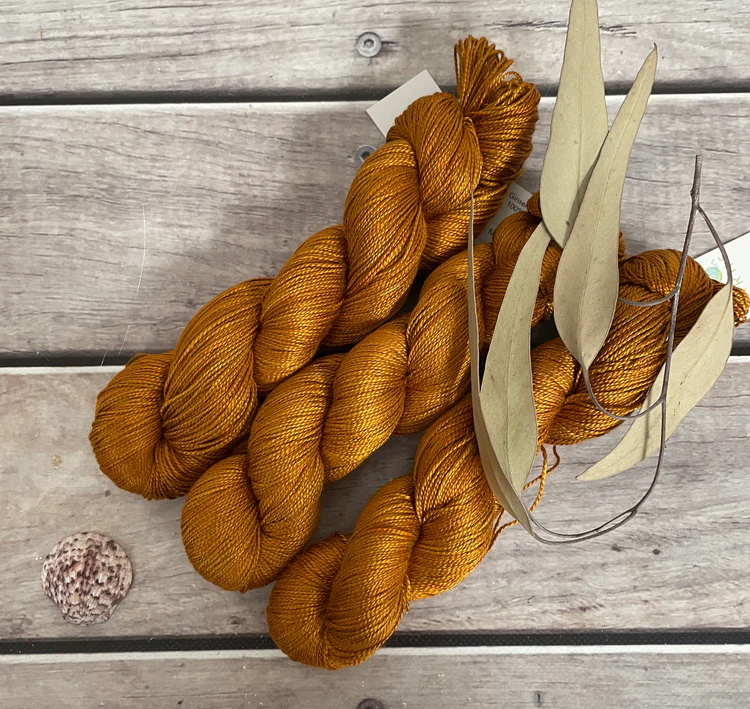
Right, let's start simple. Hand dyed yarn Australia sellers make isn't just "coloured wool" — it's a whole process, done by someone standing over a pot, usually in their kitchen or a tiny studio out back, mixing acid dyes and watching colour bloom into fibre. No two skeins come out identical. That's the whole point, actually. You get slight variation, a bit of tonal shift here and there, sometimes a splash of colour you didn't expect. If you've only ever knit with commercial mill-dyed yarn, the difference hits you the moment you wind a hand dyed skein into a ball. It's alive somehow. I know that sounds dramatic but it's true.
Why It's Not The Same As Mass Produced Wool
Mass production wants consistency. Every batch matching the last, every dye lot identical so a factory in Melbourne or wherever can churn out thousands of identical jumpers. Hand dyeing throws that idea out the window, deliberately. A small-batch Australian dyer might do twenty skeins in one pot and every single one will be slightly different depending on how the yarn sat, how much dye pooled where. This is a feature, not a flaw, though I'll admit some first-time buyers get confused and think it's a mistake. It isn't. It's craft. And honestly, once you knit a garment from a hand dyed batch you'll notice the depth of colour that just doesn't happen with uniform, machine-dyed stuff.
Silk Merino Yarn — Why Everyone's Obsessed
Now here's where it gets interesting. Silk merino yarn is one of those blends that sounds fancy but earns its reputation. Merino gives you that soft, springy warmth wool is known for, and silk adds this subtle sheen plus a drape that pure wool just can't manage on its own. When a dyer works silk merino yarn, the silk actually takes dye differently to the wool fibres sitting right next to it — so you get this gorgeous tonal depth, almost like the colour has layers. It's not cheap, I won't pretend it is. But if you've ever worn a shawl knit from silk merino you'll understand why people keep coming back for more, even with the price tag.
How Australian Dyers Actually Get Their Colours
Most small studios here work with acid dyes, applied by hand, often in tiny batches because that's all their pots (or their kitchen stovetops) can handle. Some use kettle dyeing, where yarn sits in a big pot and colour is added unevenly on purpose to create speckle and variegation. Others do a more controlled, semi-solid approach for people who want colour without the chaos. Weather matters too, believe it or not — humidity on a given day can change how dye sets. It's a bit unpredictable, honestly, which is half the charm of buying hand dyed yarn Australia makers produce rather than something off a factory line overseas.

Choosing The Right Skein For Your Project
This bit trips people up more than it should. Not every hand dyed yarn suits every project. A heavily variegated skein looks incredible on its own but can turn a complex lace pattern into visual mush — the colours fight the stitch pattern instead of showing it off. If you're doing something with texture, cables, lace, go for a tonal or semi-solid dye. Save the wild rainbow speckled skeins for simple garter stitch or stockinette where the colour gets to be the star. And when you're working with silk merino yarn specifically, remember it drapes more than pure wool, so it's brilliant for shawls and scarves but maybe not your first choice for a structured jumper that needs to hold its shape.
Looking After Silk Merino Yarn Once It's Knitted
You've spent good money on this, so treat it properly. Hand wash where you can, lukewarm water, a gentle wool wash — nothing harsh, no hot water because that's asking for felting trouble, especially with the merino component. Lay it flat to dry, always, never hang it because silk blends can stretch under their own weight when wet. Avoid wringing it out like a tea towel, just press the water gently between towels. I've seen beautiful shawls ruined because someone chucked them in a washing machine on a whim. Don't be that person. A little care goes a long way with silk merino yarn, and honestly it's not that much extra effort once it becomes habit.
Supporting Small Australian Dye Studios
There's something worth saying here that goes beyond just the yarn itself. When you buy hand dyed yarn Australia studios produce, you're usually supporting one person, maybe two, working from home or a small rented space, not a warehouse. That matters for a few reasons — it keeps traditional dyeing skills alive, it supports local economies, and frankly the quality control is tighter because someone's reputation is riding on every single skein. Sure, it costs more than a big-box store equivalent. But you're paying for someone's actual time and skill, not a shipping container of identical yarn made cheaply overseas. I think that's worth remembering next time you're comparing prices online.
Mistakes People Make Buying Hand Dyed Yarn
Biggest one? Not buying enough skeins from the same dye lot for a big project. Because hand dyed yarn varies batch to batch, running out halfway through a jumper and reordering can leave you with a noticeably different colour partway up the body. Buy extra, always, even if it costs a bit more upfront — better a spare skein in your stash than an odd-looking sleeve. Second mistake, people ignore the fibre content and just buy on colour alone. A gorgeous colourway in a scratchy fibre blend still knits into something scratchy. Check what's actually in the yarn — is it pure merino, is it silk merino yarn, is it something else entirely — before you fall for the colour alone.
How To Spot Genuine Quality Hand Dyed Yarn
Look at the skein closely before you buy, if you can, or zoom into photos if you're shopping online. Good hand dyeing shows colour that's penetrated through to the core of the yarn, not just sitting on the surface. Cheap or rushed dye jobs sometimes leave a pale, undyed centre once you start knitting, which is disappointing to discover mid-project. Check for even twist in the yarn too — a well-spun base makes for a nicer knitting experience regardless of colour. And ask questions. Reputable Australian dyers are usually happy to tell you what dyes they use, how the yarn is prepared, whether it's superwash treated or not. If a seller dodges basic questions, that tells you something too.

Wrapping This Up
At the end of the day, hand dyed yarn Australia crafters produce isn't just a trend, it's a genuine craft with real skill behind it, and silk merino yarn sits right at the top of that tree for good reason. Yes it costs more than a mass-produced ball off a supermarket shelf. Yes the colours vary skein to skein, and that used to bother me before I understood why it happens. But once you knit with it, properly good hand dyed yarn, you notice things — depth in the colour, a softness that lasts, a bit of shine from the silk catching the light just right. It's worth seeking out a local dyer, following them online, even visiting a market stall if you get the chance. You're not just buying yarn. You're buying someone's time, patience and a fair bit of trial and error at the dye pot. That's worth something.
Frequently Asked Questions
Is hand dyed yarn Australia made actually worth the extra cost?
Generally yes, especially if you value unique colourways and want to support small local businesses rather than mass-market suppliers. You're paying for skill and time, not just fibre.
What makes silk merino yarn different from regular merino wool?
Silk merino yarn blends the softness and warmth of merino with the natural sheen and drape of silk, giving finished projects a subtle shine and a lovely fluid movement that pure wool doesn't have.
How do I wash hand dyed silk merino yarn without ruining it?
Hand wash in lukewarm water with a gentle wool wash, never wring it, and dry flat rather than hanging, since wet silk blends can stretch out of shape.
Can I mix different dye lots of hand dyed yarn in one project?
You can, but it's risky for solid areas of a garment. Best practice is to alternate rows between two skeins near the join, or use different dye lots for separate sections like sleeves versus body.
Where can I buy authentic hand dyed yarn Australia wide?
Look for independent dye studios, craft markets, and online yarn stores that clearly credit the individual dyer. Following small Australian dyers on social media is often the easiest way to catch limited batches before they sell out.


Comments