
Real Sourdough Bread Maker Secrets Nobody Talks About Enough


There’s a point where sourdough stops feeling random and starts making sense, and that usually comes when you dial in a proper sourdough bread maker routine. It’s not magic, it just cuts down the guesswork. Your dough behaves more predictably, your timing gets tighter, and suddenly you’re not crossing your fingers every time you bake. It’s less about fancy machines and more about having a repeatable system that works.
The Truth About Using a Bread Proofing Basket
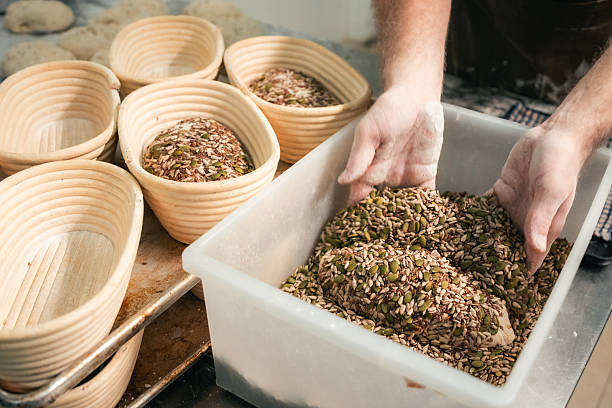
A bread proofing basket might look like a simple tool, but it quietly fixes one of the biggest issues beginners face—flat, lifeless loaves. It supports the dough as it rises, keeps the shape tight, and even helps wick away a bit of moisture so your crust develops better later. It’s one of those tools you underestimate until you use it consistently, then you don’t go back.
Stop Overcomplicating Your Sourdough Setup
People tend to overbuy when they start baking sourdough—gadgets, specialty flours, all kinds of extras—but honestly, that just creates noise. A solid sourdough bread maker process and a dependable bread proofing basket are enough to get you going. The more you strip things back, the easier it is to understand what’s actually happening with your dough.
Dough Feel Matters More Than Any Recipe
You can follow a recipe perfectly and still end up with a bad loaf, which tells you something important—feel matters more. Dough changes depending on your kitchen, your flour, even the weather. Working with a bread proofing basket regularly helps you notice those small differences in texture and structure, and over time your hands start making better decisions than any written instructions.

Timing Isn’t Fixed—And That’s the Catch
Everyone wants exact timings, but sourdough doesn’t really work like that. One day your dough proofs in four hours, another day it takes six. Temperature, humidity, and starter strength all shift the timeline. A bread proofing basket helps you visually track the rise, so instead of staring at a clock, you start reading the dough itself.
The Starter Is Alive—Treat It That Way
Your starter isn’t just another ingredient you measure and forget. It’s active, changing, sometimes unpredictable. A strong sourdough bread maker routine pays attention to that—how it smells, how fast it rises, how it reacts after feeding. If your starter is weak, no amount of technique or tools, not even a perfect bread proofing basket, will fully fix the outcome.
Why Your Crust Isn’t Right Yet
A lot of home bakers struggle with crust without realizing why. It often comes down to fermentation and surface dryness. A bread proofing basket helps by allowing airflow around the dough, slightly drying the outer layer before baking. That small detail is what leads to that crisp, crackly crust instead of something soft and dull.
Mistakes You’ll Keep Making (And That’s Fine)
Even when you get better, mistakes don’t disappear. You’ll still overproof, underproof, or have dough stick to your bread proofing basket occasionally. It’s part of the process. The difference is, over time, you recover faster. You adjust without overthinking, and your sourdough bread maker routine becomes more forgiving.
Flour Choices Actually Matter—More Than You Think
Switching flour isn’t as simple as it sounds. Different flours absorb water differently and ferment at different speeds. When you’re using a bread proofing basket regularly, you start to notice how those changes affect the dough’s structure and rise. It’s subtle, but ignoring it can throw off your entire bake.
Temperature Is Quietly Running the Show
Temperature controls everything behind the scenes. Warmer kitchens speed things up, colder ones slow everything down. A consistent sourdough bread maker process accounts for that, whether it’s adjusting proofing time or simply moving your bread proofing basket to a better spot. It’s not complicated, but it matters more than people think.
Scoring and Baking—Where It All Comes Together
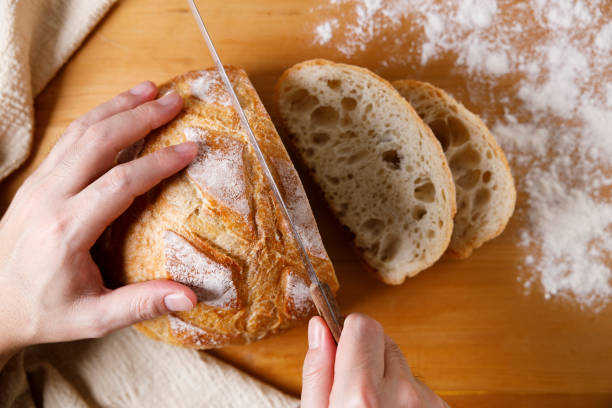
After all the prep, scoring and baking is where your effort shows. If your dough has been properly supported in a bread proofing basket, it holds its shape when you score it, giving you cleaner cuts and better oven spring. This is the moment where structure, timing, and handling all come together in a very visible way.
Building a Routine That Actually Works
At the end of the day, sourdough is about building a routine you can repeat without stress. A dependable sourdough bread maker workflow combined with a reliable bread proofing basket gives you that structure. It’s not flashy or complicated, but it works, and that consistency is what keeps you baking instead of guessing.

Final Thoughts—Keep It Simple, Keep It Consistent
Sourdough baking doesn’t need to be overthought. Focus on your process, trust your observations, and keep things simple. A solid sourdough bread maker setup and a good bread proofing basket will take you much further than chasing trends or overloading on tools. Visit Abioto Baking to start building your sourdough routine the right way.
FAQs About Sourdough Bread Maker and Bread Proofing Basket
What does a sourdough bread maker actually do?
A sourdough bread maker helps create a consistent baking process, improving timing, structure, and overall results with less guesswork.
Do I really need a bread proofing basket?
It’s not mandatory, but it significantly improves dough shape, airflow, and crust development, especially for beginners.
Why is my dough sticking to the bread proofing basket?
Usually it’s due to too much moisture or not enough flour. Using rice flour can help reduce sticking.
How long should I proof sourdough in a basket?
There’s no fixed time—it depends on your environment and starter strength. Always watch the dough instead of relying only on time.
Can beginners use a sourdough bread maker setup easily?
Yes, but it takes practice. Start simple, stay consistent, and improve your process gradually.


Comments