
Bread Basket for Proofing: A Must-Have in Your Bread Baking Supplies
- James Taylor
- Mar 12
- 5 min read


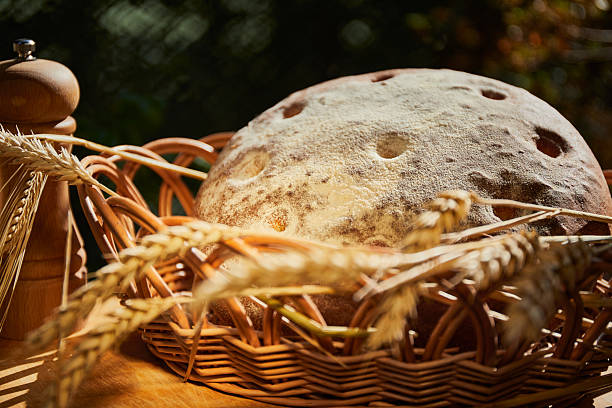
Many believe that bread rises due to magic. It does not. It grows because you provide the proper space, the appropriate support, and you allow it to be. A bread basket for proofing does exactly that. It cradles the dough while it rests, keeps the shape tight, and helps moisture escape just enough. Not too much. Not too little.
Without a proper basket, dough spreads. Goes flat. Loses tension. You still get bread, sure, but it’s not the kind you’re proud of. The kind with height and structure and that clean score on top. A proofing basket gives the dough something to push against. That resistance matters more than people admit.
And yeah, you can use a bowl and a towel. People have for years. But once you switch to an actual bread basket for proofing, you don’t go back. The difference shows up in the oven spring. It shows up when you slice it open. It’s subtle, but real. And bread is all about subtle wins stacking up.
The Real Job of Proofing (It’s Not Just Waiting Around)
Proofing sounds passive. Like you’re just killing time. You’re not. This is where flavor develops, where gluten relaxes, where yeast does its quiet work. A bread basket for proofing supports this phase without interfering. It doesn’t compress the dough. It doesn’t trap steam.
Good proofing baskets wick moisture from the surface. That slight drying creates tension on the dough skin. Tension equals lift. Lift equals better bread. It’s boring science, but it works every single time.
This is also where cheap tools mess things up. Plastic bowls sweat. Smooth surfaces cause sticking. Towels leave lint. You end up fighting your dough when you should be letting it rest. Proper bread baking supplies remove friction from the process. They don’t make you a better baker overnight, but they stop holding you back.
Choosing the Right Bread Basket for Proofing
Not all baskets are equal. Round, oval, spiral-wrapped, smooth interior, ridged interior. Each one affects shape and crust differently. Round baskets give you classic boules. Oval ones lean toward batards. Neither is better. Just different goals.
Material matters too. Natural rattan is popular for a reason. It breathes. It holds structure. It lasts if you don’t soak it like a sponge. Cane baskets develop a patina over time. They look better the more you bake. That’s rare these days.
If you’re just starting out, one medium round bread basket for proofing is enough. Don’t overbuy. Learn how your dough behaves first. Then expand. Bread baking supplies should grow with your skill, not overwhelm you on day one.

Flour, Linen, Or Bare Basket? Yes, It Matters
This part gets skipped a lot. And then people complain their dough sticks. The basket isn’t the problem. Prep is. Some bakers dust heavily with rice flour. Others use linen liners. Some go bare basket once it’s seasoned.
Rice flour works because it doesn’t absorb water the same way wheat flour does. Less glue. Less sticking. Liners are useful early on, especially with wet doughs. Over time, many bakers ditch them. A seasoned basket becomes naturally non-stick.
The key is consistency. Pick a method and stick with it until you understand how your dough reacts. Bread baking supplies aren’t magic. They’re tools. You still have to learn how to use them without fighting the process.
Proofing Baskets and Dough Hydration
High-hydration doughs are trendy. They’re also unforgiving. A bread basket for proofing becomes even more important here. Wet dough needs support. Without it, it puddles.
This is where spiral-wrapped baskets shine. The ridges help hold shape and create airflow. That airflow firms the surface just enough to make scoring possible later. Without that step, your blade drags. The loaf deflates. Annoying stuff.
If you’re baking 70% hydration or higher, don’t skip this tool. It’s not optional anymore. Your other bread baking supplies can be basic, but proofing support at this level is non-negotiable.
How Proofing Affects Crust, Not Just Shape
People focus on crumb. Big holes. Instagram shots. But crust is where the eating experience lives. A bread basket for proofing directly affects crust texture.
Proper proofing creates a thin, elastic skin. That skin expands cleanly in the oven. You get blisters, crackle, that light crunch before the soft inside. Overproofed dough collapses. Underproofed dough tears randomly.
This isn’t guesswork. It’s process. When your proofing environment is stable, everything downstream improves. Your baking stone, oven, lame, all perform better when the dough enters the oven properly prepared.

Essential Bread Baking Supplies Beyond the Basket
The basket is critical, but it’s not alone. A digital scale matters more than measuring cups. A bench scraper saves your hands. A sharp lame or razor keeps scores clean.
None of these need to be expensive. They need to be reliable. Bread baking supplies should simplify, not complicate. If a tool creates more cleanup than value, ditch it.
A solid setup is small. Basket. Scale. Scraper. Baking vessel. That’s it. You don’t need twenty gadgets to make good bread. You need a few good ones that earn their place.
Cleaning and Caring for Proofing Baskets
Do not wash your basket like a dish. Please. No soaking. No soap. Knock out excess flour. Let it dry completely. If dough sticks, let it dry, then brush it off.
Over time, baskets darken. That’s normal. That’s seasoning. It improves performance. Mold only happens when baskets stay damp. Airflow fixes most issues.
Treat your bread basket for proofing like cast iron. Respect it. Don’t baby it. Just don’t abuse it either.
Common Proofing Mistakes That Ruin Good Dough
Overproofing is the big one. Dough looks great, then collapses. Underproofing is sneakier. Dough feels tight, springs back too fast. You bake anyway. Dense crumb.
A good basket gives visual clues. Dough domes slightly. Surface feels airy, not sticky. Finger poke test leaves a slow indent.
Bread baking supplies don’t replace judgment, but they make judgment easier. Clear signals. Predictable behavior. Less guessing.
Why Cheap Bread Tools Cost You More Long-Term
Inexpensive baskets distort. Plastic breaks. Inferior materials take in smells. You substitute them. Repeatedly. A durable bread basket for proofing endures for years. Similar to an effective scale or scraper. Bread baking supplies are a long game. Buy once, cry once, bake better forever. The frustration of bad tools kills motivation faster than failed recipes. Good gear keeps you baking when things go sideways.
From Home Baker to Confident Baker
Confidence comes from repeatable results. Repeatable results come from process. Process relies on tools that behave the same every time. When your proofing basket works, when your dough behaves predictably, baking stops feeling chaotic. You start tweaking intentionally. You learn faster. This is where baking becomes addictive. In a good way.
Where Quality Bread Baking Supplies Actually Matter
Not every tool deserves attention. But proofing does. Shaping does. Baking does. If you’re investing anywhere, invest there. A bread basket for proofing isn’t flashy. It doesn’t beep. But it quietly improves every loaf you make. That’s real value. If you’re ready to stop guessing and start baking with confidence, visit Abioto Baking to start building a setup that actually works.
FAQs About Bread Baskets for Proofing and Baking Supplies
What is a bread basket for proofing used for?
It supports dough during final rise, helping maintain shape and improve crust and oven spring.
Do I need a proofing basket to bake bread?
No, but results are more consistent and professional with one, especially for artisan loaves.
What size proofing basket should I buy?
A medium basket works for most home bakers making 750g–1kg loaves.
How do I stop dough from sticking to the basket?
Use rice flour, proper dusting, or a liner until the basket seasons.
Are bread baking supplies expensive?
They don’t have to be. Focus on a few quality essentials instead of many gadgets.


Comments